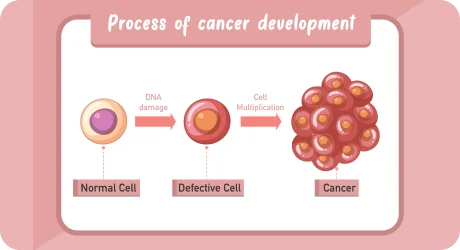
Genetic Toxicology is that branch of Toxicology which identifies substances which cause mutations or chromosomal aberrations or other aberrations in the genetic material.
Adgyl Lifesciences specialises in vitro and in vivo genetic toxicology studies conducted in accordance with OECD and ICH guidelines, and fully compliant with GLP standards.
With more than 35 years of experience and over 3,000 studies successfully submitted to regulatory authorities worldwide, our team delivers reliable, high-quality data. Genetic toxicology testing is essential across diverse chemical classes, including agrochemicals, industrial compounds, nutraceuticals, pharmaceuticals, and biomedical devices. Beyond study execution, we collaborate with clients to design effective testing strategies that align with evolving regulatory requirements and strengthen their submissions.
Important terms in Genetic Toxicology Assays:
In Vitro Genotoxicity
We provide comprehensive suite of in vitro genotoxicity testing services to help identify potential genetic risks or mutagenic potential early in development. Using internationally recognised OECD/ ICH/ ISO/ EMA guidelines and well-established test systems, our studies assess gene mutations and chromosomal damage through reliable bacterial and mammalian cell-based assays. We have validated assays for nitrosamine and Nitrosamine Drug Substance-Related Impurities (NDSRIs)
These assays provide critical step in genetic safety evaluation and support informed regulatory submission and development decisions.
In Vivo Genotoxicity
Our in vivo genotoxicity studies are designed to further evaluate genetic effects under conditions that closely mirror whole-organism exposure. Conducted in rodent models in line with regulatory expectations, these studies help confirm and clarify findings from in vitro testing by considering systemic exposure and biological response.
Together, our in vitro and in vivo genotoxicity capabilities support a balanced, weight-of-evidence approach to regulatory safety assessment.
List of In vitro and In vivo genotoxicity testing services
for all Agrochemicals, Industrial Chemicals, Cosmetics, Pharmaceuticals
ICH guidelines for Pharmaceuticals and its impurities
Genotox assays:
OECD 471:
Bacterial reverse mutation test (Test system: Salmonella typhimurium (TA98, TA100, TA1537, TA1535, TA102 and E.coli WPp2 uvrA (pKM101)
OECD 473:
In vitro mammalian chromosomal aberration test (Test system: CHO-K1 and Human Peripheral Blood Lymphocytes [HPBL])
OECD 474:
In vivo micronucleus assay (Test system – rats/mice)
OECD 475:
In vivo chromosomal aberration assay (Test system – rats/mice)
OECD 476:
In vitro mammalian cell gene mutation tests using the Hprt and xprt genes (Test system - CHO-K1)
OECD 487:
In vitro mammalian cell micronucleus test (Test system – HPBL)
OECD 490:
In vitro mammalian cell gene mutation tests using the thymidine kinase gene ( L5178 Y TK +/- -3.7.2C and TK6 cells)
In vitro assays (Ames, CHAB, TK/ML assays for biomedical devices)
OECD TG489:
In vivo COMET assay (4 target tissue - liver, stomach, bone marrow and duodenum)
Scientific Partnership
Partnering for Scientific Excellence
Adgyl Lifesciences is committed to ensure
Scientifically rigorous, reproducible and timely study execution.
High‑quality data generation aligned with scientific & regulatory requirements
Seamless end‑to‑end support spanning study design, execution, and data interpretation.
Connect with our expert team today to discuss how we can support your in vitro and in vivo genotoxicity testing needs.
what people ask
Frequently Asked Questions
Do you provide GLP‑compliant studies?
Yes. Our studies are conducted under Good Laboratory Practice (GLP) conditions, ensuring data quality, integrity, and acceptance by regulatory agencies worldwide.
Which test systems do you use for genotoxicity assays?
We use well‑characterised and widely accepted test systems, including bacterial strains, mammalian cell lines, and rodent models, depending on the assay. Selection of the test system is guided by the study objective and regulatory requirements.
How do you support clients beyond study execution?
Beyond study conduct, we support clients with study planning, data interpretation, and technical documentation, helping to ensure clarity and confidence during regulatory review.
Which industries do you support with genotoxicity testing?
Our genotoxicity testing services support a wide range of sectors, including agrochemicals, industrial compounds, nutraceuticals, pharmaceuticals, and biomedical devices with study designs aligned to their specific regulatory frameworks.
Can study designs be adapted to specific regulatory or programme needs?
Yes. While we follow OECD guidelines, our scientific team works closely with clients to tailor study designs where appropriate, considering product characteristics, regulatory pathways, and project timelines.